Waiting Is Actually Part of the Fun: How Anime's Seasonal Gaps Build Better Fandoms
Photo: Miguel Discart & Kiri Karma, CC BY-SA 4.0, via Wikimedia Commons
Let's be real — when your favorite anime drops a season finale and then disappears for six months to a year, the first reaction is pure frustration. You're left hanging mid-arc, refreshing Reddit threads at midnight hoping for a release date announcement. It stings. But here's the thing: that sting? It might actually be good for you — and for the fandom as a whole.
At AnimeHay, we've been watching how US anime communities behave during those in-between periods, and the picture is way more interesting than just a bunch of impatient fans twiddling their thumbs.
The Burnout Problem Nobody Talks About
Streaming has fundamentally changed how Americans consume content. Binge culture — the Netflix effect — trained an entire generation to expect full seasons dropped all at once. And while that model works great for prestige dramas, it can actually be brutal for anime fandoms.
When shows release weekly during a season and then stop cold, there's a natural pressure valve that gets released. Viewers who were grinding through episode after episode suddenly have space to breathe. That breathing room prevents what fan community managers have started calling "saturation burnout" — the point where even a show you love starts feeling like homework.
Consider how differently fans talk about Attack on Titan during its final arc versus how they talked about it mid-wait. The breaks between parts of the Final Season didn't kill enthusiasm — they supercharged it. Every trailer drop became an event. Every piece of promotional art got dissected frame by frame.
Fan Theories Thrive in the Silence
Here's where things get genuinely fascinating. When a show is actively airing, fan discourse tends to be reactive — "Did you see what just happened?!" But during a hiatus, the conversation shifts into something more creative and analytical.
Theory communities on Reddit, Discord servers, and YouTube explode during off-seasons. Fans who might never have read a manga start hunting down source material. People who watched casually during the original run come back and rewatch with fresh eyes, catching details they missed the first time around.
This is especially true for US fans, who often encounter anime through streaming platforms rather than weekly simulcasts. A seasonal break gives the algorithm time to push older seasons to new viewers, creating waves of first-timers who then join existing communities mid-hiatus. The result is a constant injection of fresh energy and new perspectives into discussions that might otherwise go stale.
The Creative Explosion Between Seasons
Fan art, fanfiction, AMVs, cosplay — virtually all of the creative output that makes anime culture so rich gets produced between seasons, not during them. Think about it: when a show is actively airing, fans are consuming. When it's on break, they start creating.
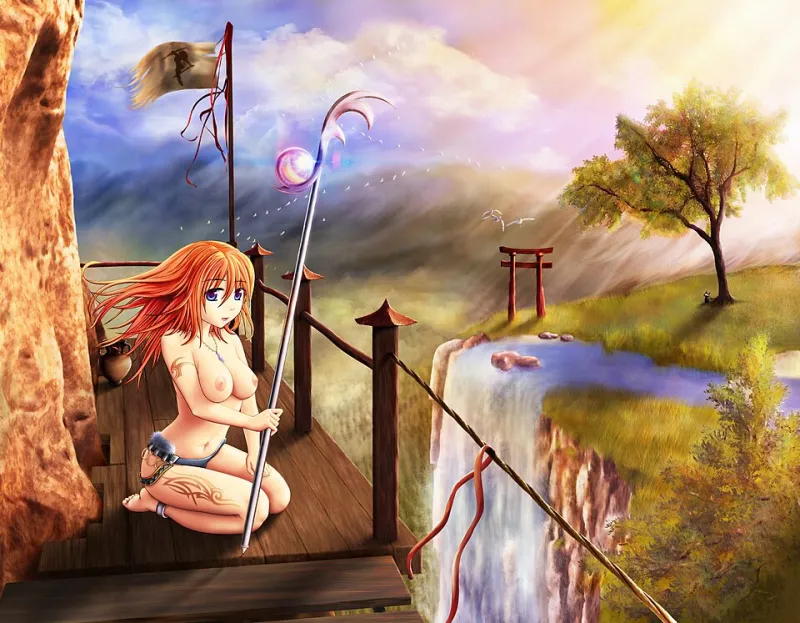
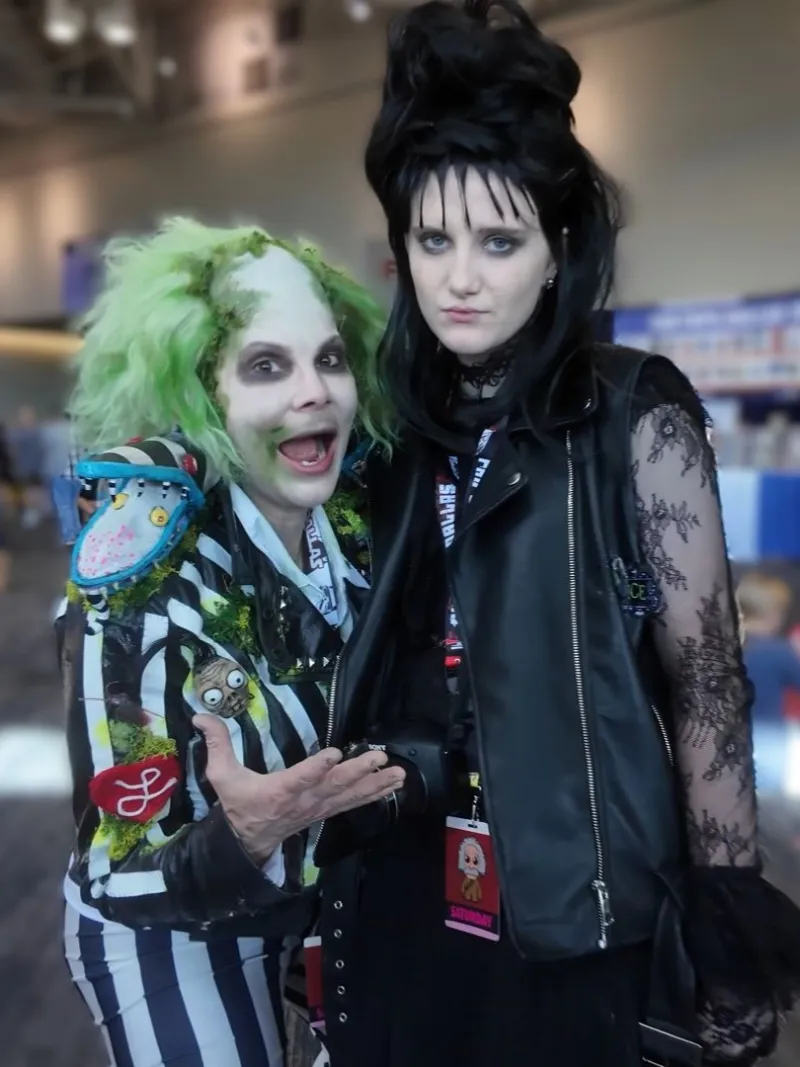
Artists on platforms like Twitter (now X), Instagram, and Pixiv see massive spikes in fan art activity during hiatuses for popular shows. Cosplayers use the gap to design and construct elaborate outfits in time for conventions like Anime Expo or Otakon. Fanfic writers on Archive of Our Own spin out thousands of words exploring storylines the show hasn't touched yet.
This creative ecosystem doesn't just fill time — it deepens emotional investment. By the time a new season actually drops, fans have spent months living inside the world of the show through their own creative lens. They're not just viewers anymore. They're co-creators of the culture surrounding the series.
Convention Season and the Seasonal Calendar
There's also a practical, real-world dimension to all of this that's easy to overlook. The US anime convention circuit — which runs hard from spring through late summer — lines up almost perfectly with the gaps in major anime seasons. That's not entirely a coincidence.
Fans use hiatus periods to plan their convention attendance around shows they're currently obsessed with. A group of friends who bonded over a winter-season anime will spend the spring building group cosplays for their summer convention lineup. The show gives them a shared identity; the break gives them time to express it.
Anime Expo in Los Angeles, the biggest anime convention in North America, consistently sees its biggest cosplay representation from shows that either just ended a season or are mid-hiatus. Fans show up because they've had time to channel their love into something tangible.
Patience Pays Off: The Rewatch Effect
One of the most underrated benefits of seasonal breaks is what they do to rewatch behavior. US streaming data (pulled from platforms like Crunchyroll and Netflix) consistently shows that completed seasons of currently-on-hiatus shows get a significant viewership bump during the wait for new content.
Rewatching isn't just nostalgia — it's a fundamentally different experience the second or third time around. Foreshadowing hits differently. Character motivations become clearer. Moments you glossed over become pivotal. Fans who rewatch during a hiatus often come back to community discussions with entirely new takes, revitalizing conversations that had started to quiet down.
This is a dynamic you simply don't get with a binge-drop model. When everything is available at once and the next season is already queued up, there's no breathing room for this kind of reflective engagement.
The Takeaway: The Wait Is the Experience
It's easy to frame seasonal breaks as a flaw in the anime release system — something to be endured rather than embraced. But the communities that thrive the most around anime aren't just the ones watching the show. They're the ones theorizing, creating, rewatching, and connecting with each other in the spaces between episodes and seasons.
The wait isn't a bug. It's a feature — and honestly, it might be one of the things that makes anime fandom feel so different from other entertainment communities in the US right now.
So next time your favorite show wraps its season and leaves you staring at a "Coming Soon" placeholder, don't just count the days. Dive into the community. Rewatch from episode one. Write the theory post you've been sitting on. Make the fan art. Go to the convention.
The story doesn't stop when the episodes do. It just moves somewhere else for a while.