You Binged It in a Weekend and Felt Nothing — Here's Why Streaming Anime All at Once Is Backfiring

Photo: National Park Service Digital Image Archives, Public domain, via Wikimedia Commons
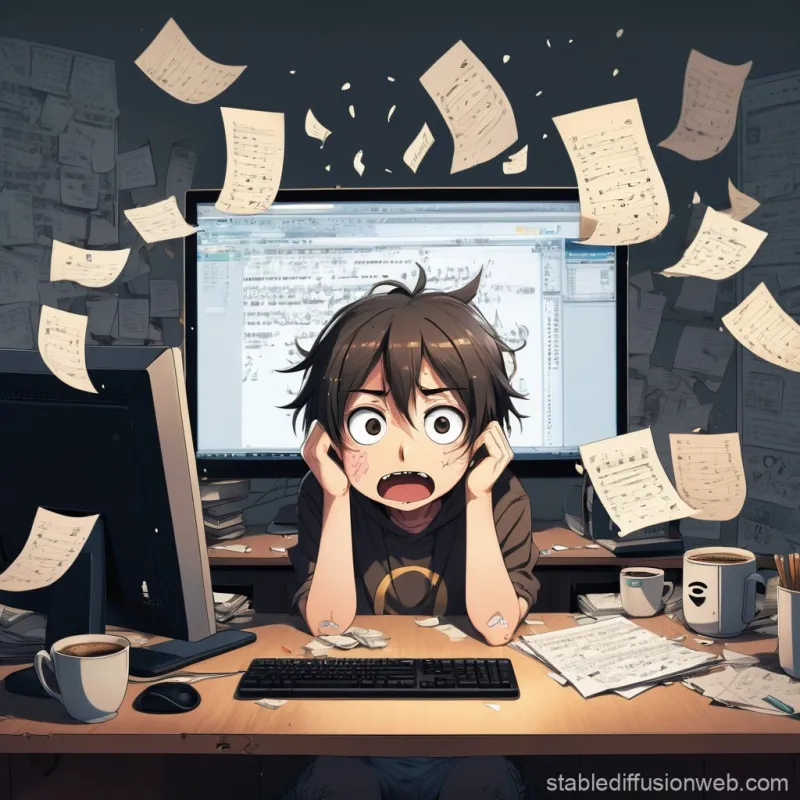
Somewhere around episode nine of a recent full-season anime drop, you probably felt it. That slightly numb, assembly-line sensation where plot twists stop landing and character deaths feel like checkboxes. You kept watching, obviously — the next episode was right there. But something was off. The show wasn't bad. You just... didn't care as much as you expected to.
Welcome to the binge hangover. And in anime, it's getting worse.
The Promise vs. The Reality of Full-Season Drops
When Netflix first started dropping full anime seasons at once, it felt like a revolution. No more waiting a week for the next episode. No more spoiler-dodging on Twitter. Just you, your couch, and an entire story ready to consume on your schedule. For a US audience used to binge-watching prestige TV, this felt completely natural.
The problem is that anime — structurally, narratively, emotionally — was not built for this delivery method. Not most of it, anyway.
Traditional anime airing schedules are weekly for a reason that goes deeper than TV broadcast logistics. The gap between episodes isn't dead time. It's processing time. It's the space where fan theories form, where a shocking cliffhanger actually has room to shock, where an emotional scene can sit in your chest for seven days before the story moves on. Strip that away, and you strip away a huge chunk of what makes the experience hit.
The math is pretty brutal when you lay it out: a show designed to deliver an emotional gut-punch at the end of episode six has been crafted assuming you've had a week to get attached to those characters. When you watch episodes one through six in two hours, you haven't had that time. The gut-punch lands softer. Sometimes it doesn't land at all.
How Binge Pacing Warps Your Perception of the Story
Here's something that doesn't get talked about enough: binge-watching doesn't just change how you feel about a show — it changes how you read it.
When you're watching weekly, you naturally absorb more detail. You rewatch scenes, you notice background elements, you think about dialogue in the shower two days later. When you're binging, your brain is in consumption mode. You're moving forward, not dwelling. Foreshadowing that would've been a satisfying 'aha' moment after a week of speculation just becomes a plot point you half-registered between episodes.
Several 2024-2025 anime seasons that dropped all at once on major streaming platforms got surprisingly mixed reactions from fans, despite being genuinely well-written shows. A common thread in community discussions — across Reddit, Discord servers, and honestly right here in the AnimeHay comments — was that the shows felt 'rushed' or 'anticlimactic.' But when you look at the actual scripts and pacing, they're not. The writing is solid. The issue is that binge-watching creates an artificial sense of momentum that makes carefully paced storytelling feel slow by comparison.
Your brain adapts to the speed of consumption. After four episodes in a row, the deliberate quiet moment in episode five that was supposed to be emotionally resonant just feels like the show pumping the brakes.
Weekly Releases Still Hit Different — And Fans Know It
Ask anyone who watched Demon Slayer or Jujutsu Kaisen week-to-week during their original runs, and you'll hear the same thing: the fandom energy was completely different. The speculation, the memes, the collective grief after a major character moment — all of it was amplified by the shared waiting experience.
That communal element isn't just nostalgia talking. It's a genuine feature of the weekly release model that binge drops can't replicate. When everyone watches an episode at roughly the same time, the conversation around that episode is alive in real-time. You're experiencing the story alongside thousands of other people. That shared experience creates an emotional context that makes the story itself feel bigger.
Binge drops fragment that. Half the community finishes the season on Friday night. The other half is still on episode four on Sunday. Spoiler culture becomes a nightmare, and the communal processing that amplifies emotional payoff basically disappears.
The Streaming Platforms Aren't Totally Wrong
To be fair — and AnimeHay tries to be fair — full-season drops make complete business sense for streaming platforms. Binge-watching drives engagement metrics, reduces subscriber churn, and creates the kind of 'event' viewing that gets shows trending on social media. From a pure business standpoint, dropping everything at once is often the smart play.
And there are certain types of anime where binge-watching genuinely works. Mystery series with tight plotting reward uninterrupted viewing. Short-form shows designed for on-the-go consumption (we're seeing more of those every season) don't suffer from the binge effect the same way. And honestly, sometimes you just want to demolish a comfort show in an afternoon without apology.
The problem isn't binging per se. It's applying the binge model universally, including to shows that were specifically written with breathing room between episodes — and then wondering why the emotional payoff feels diluted.
So What Do You Actually Do About It?
This is the part where we're not going to tell you to just 'watch it slower' and call it a day, because that's easier said than done when the next episode button exists.
But there are a few things worth trying. If a show is a full-season drop and you're finding it weirdly flat, try capping yourself at two or three episodes per sitting and actually waiting a day before continuing. Sounds almost aggressively old-fashioned, but the difference in emotional engagement is real.
Alternatively, lean into the shows that are still airing weekly. Seasonal anime on Crunchyroll's weekly schedule — love it or hate it — still delivers that classic anime experience where the gap between episodes is part of the storytelling. It's not always convenient, but convenience isn't always the point.
The binge model isn't going anywhere. Streaming platforms have too much invested in it. But as an anime fan, you have more control over your own experience than the platform wants you to think. Sometimes the best thing you can do for a show you actually care about is... slow down.
Your emotional payoff will thank you.