Are You Actually Watching Anime or Just Reading Really Fast?
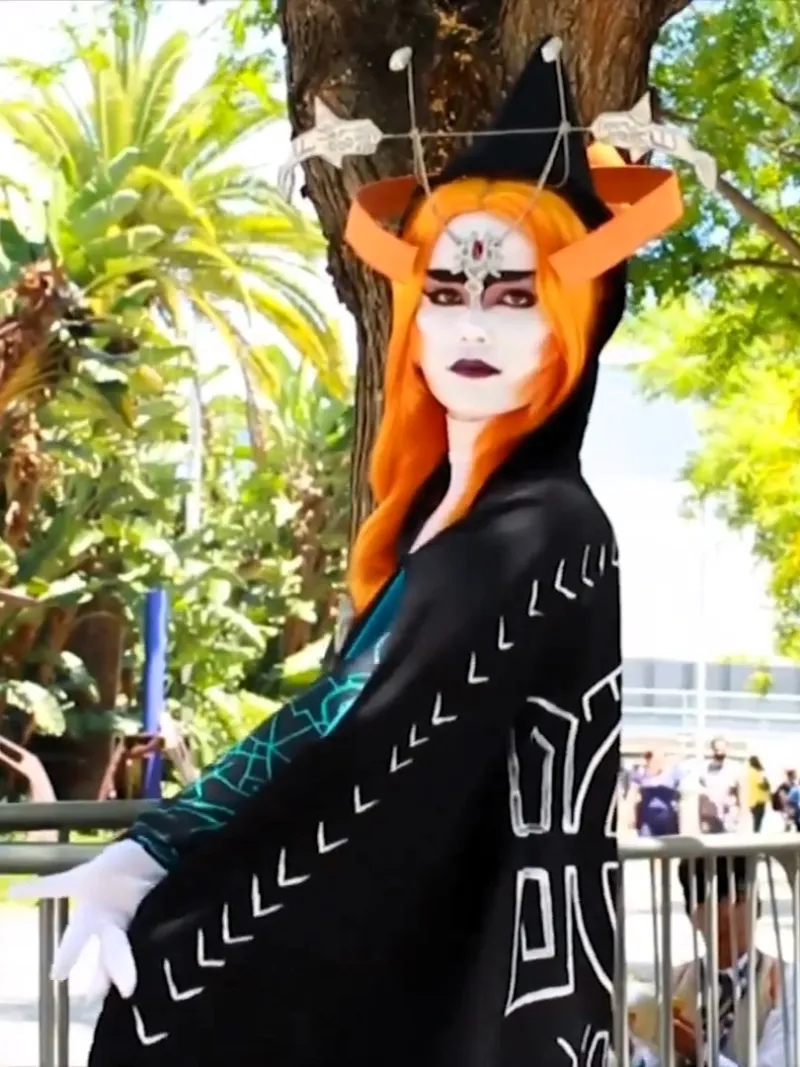
Photo: RealTDragon, CC BY 3.0, via Wikimedia Commons
Picture this: you're on the subway, earbuds in, phone propped against your knee, halfway through an episode of something you've been meaning to watch for weeks. The dialogue is flying, the subtitles are flashing, and your eyes are doing this frantic little dance between the text at the bottom and the animation above it. You hit the end credits. You kind of... know what happened? Maybe?
If that sounds familiar, welcome to what we're calling the anime subtitle speedrun — and it's way more common among US mobile viewers than most people want to admit.
The Screen Size Problem Nobody Talks About
Here's the thing about watching subtitled anime on your phone: the smaller the screen, the harder your brain is actually working. On a 65-inch TV, subtitles sit comfortably below the action without really competing for your attention. Your peripheral vision handles a lot of the visual storytelling while your conscious focus lands on the text.
On a 6-inch phone screen? Everything is fighting for the same tiny real estate. The character's expression, the background art, the action sequence, and the subtitle are all basically stacked on top of each other. Your brain has to make a split-second call about what gets priority — and nine times out of ten, it chooses the text, because missing a word feels more urgent than missing a visual detail.
The result is that you end up reading anime more than watching it. And that's a genuinely different experience than what the creators intended.
How US Viewing Habits Made This Worse
American audiences grew up in a reading-first subtitle culture. Unlike countries where dubbing is the default for foreign content, the US anime fanbase has historically skewed hard toward subtitles — often treating dub preference as a mark against someone's "serious fan" credentials. That cultural pressure means a lot of US viewers are committed to subs even when their viewing environment isn't exactly sub-friendly.
Add in the explosion of mobile streaming — Crunchyroll, Netflix, and Hidive all have polished phone apps now — and you've got a massive chunk of the US fanbase watching complex, dialogue-heavy shows on screens that are genuinely not built for that experience. Commutes, lunch breaks, waiting rooms: these are the new anime theaters, and they come with a lot of visual compromises.
There's also the pace factor. Streaming culture has trained us to consume content quickly. The "skip intro" reflex, the autoplay countdown, the perpetual sense that there's always something else in the queue — all of it creates this low-level urgency that bleeds into how we process subtitles. We're skimming, essentially. Racing to stay ahead of the next line.
What You're Actually Missing
Anime is one of the most visually expressive art forms out there. Directors like Hiroyuki Imaishi or Makoto Shinkai aren't just telling stories through dialogue — they're telling them through color palettes, character posture, background details, and animation timing. When you're locked into subtitle-reading mode, a huge percentage of that craft just evaporates.
Think about a show like Frieren: Beyond Journey's End. A lot of its emotional weight lives in the silence between lines, in the way Frieren's expression shifts almost imperceptibly, in the visual contrast between the lush backgrounds and her understated reactions. If your eyes are glued to the bottom of the screen, you're catching the plot but missing the feeling. You're getting the Wikipedia summary version of an experience that was designed to hit you somewhere deeper.
Comprehension takes a hit too. Subtitle speedrunning leads to what you might call "narrative drift" — where you technically read every line but failed to connect them into a coherent emotional throughline. You know what happened, but you don't know how it felt. And for anime especially, that gap matters.
Practical Ways to Actually Slow Down
Okay, so what do you actually do about it? Quitting mobile viewing isn't realistic for most people — that's where the watching happens. But there are some adjustments worth trying.
Bump up the subtitle font size. Most streaming apps let you customize this. Larger text means your eyes travel less, which means you spend more time looking at the actual picture.
Use the pause-and-look method for key scenes. It sounds obvious, but actually pausing on a visually complex moment — a fight sequence, an emotional reveal, a scenery shot — and just looking at it for a second before continuing changes the experience significantly. You're reminding your brain that there's a whole image up there.
Save the dense stuff for bigger screens. Not every anime is equal in its subtitle demands. A fast-paced shonen with punchy one-liners? Totally manageable on your phone. A slow-burn psychological thriller with overlapping dialogue and unreliable narrators? Maybe that one waits for your laptop or TV. Matching the show to the screen is an underrated viewing strategy.
Try a rewatch on a bigger screen. This one's a genuine revelation if you've never done it. Rewatching an episode you already "know" on a larger display almost always surfaces things you completely missed the first time — visual gags, background storytelling, animation flourishes that the phone just swallowed whole.
Give yourself permission to slow down autoplay. Turning off autoplay on your streaming app removes one of the biggest psychological pressures toward rushing. You don't have to immediately start the next episode. The show will wait.
Reading Fast Isn't the Same as Understanding
There's a version of this conversation that sounds elitist — like we're telling people they're watching anime wrong. That's not the point. Mobile viewing is legitimate, commute watching is legitimate, and squeezing episodes into small gaps of your day is part of how modern anime fandom works in the US.
But it's worth being honest about the tradeoffs. Speed-reading your way through subtitles on a small screen is a compressed experience, not a complete one. And for shows you genuinely love — the ones that matter to you, the ones you'd recommend to a friend — maybe they deserve a little more than a speedrun.
Anime at its best is a full sensory experience. The visuals and the audio and the text are all working together to land something on you. When you race through the subtitles, you're essentially muting two-thirds of that conversation.
Slow down. Look up. The animation is doing something up there, and it's probably worth seeing.